

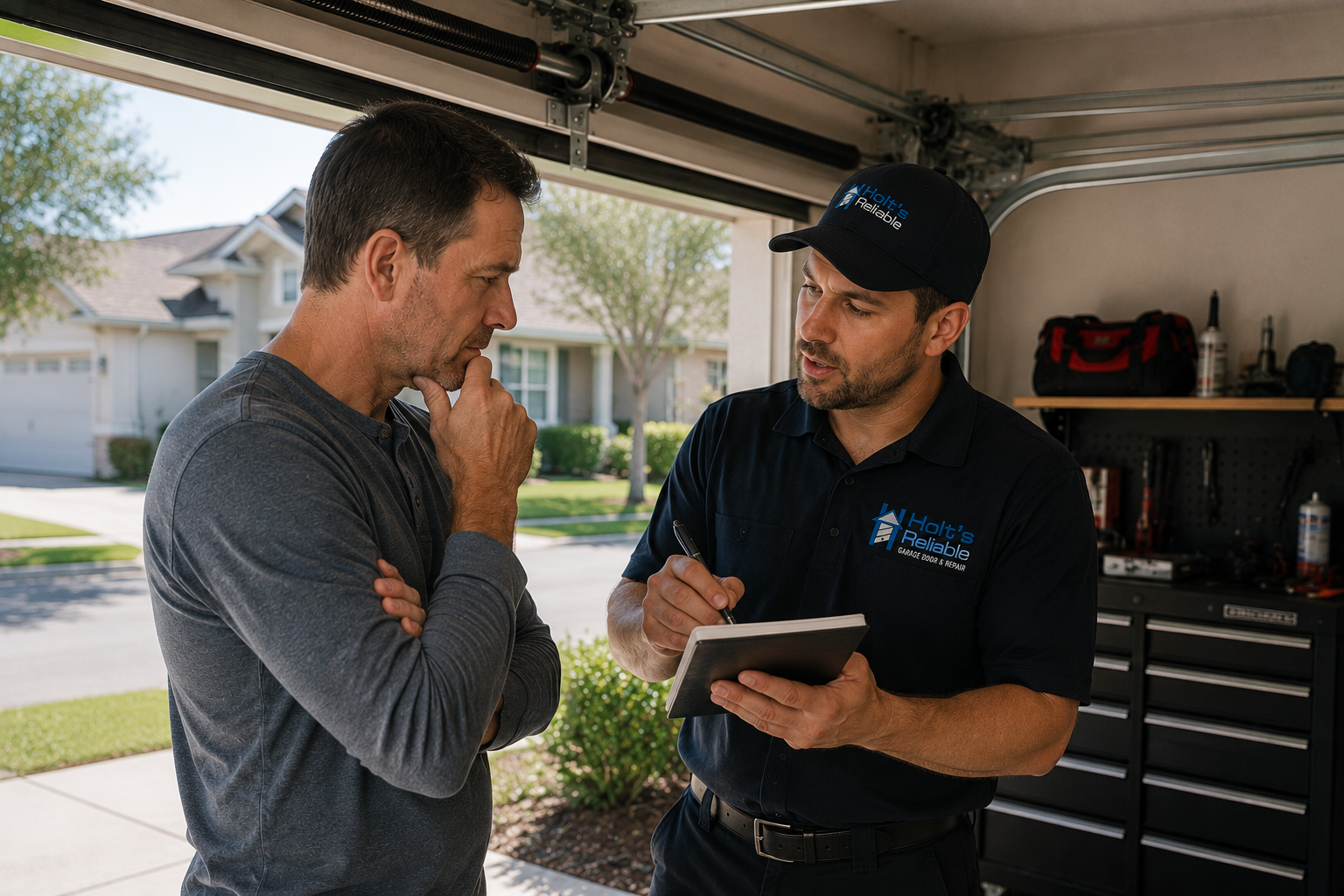
Replacing garage door springs is one of the most important garage door repairs a homeowner may face. Your garage door plays a major role in home security, daily convenience, and curb appeal, but when a spring breaks, the entire system can become unsafe, heavy, and difficult to operate.
Although garage door spring replacement may look like a simple garage door repair, it is actually one of the most dangerous jobs in a garage door system. Springs hold extreme tension, and one wrong move can lead to serious injury, door damage, or costly repairs.
Before you try replacing garage springs yourself or call a garage door professional, it helps to understand how the system works, what warning signs to look for, and why hiring a trained technician is usually the safest decision. This garage door springs guide will walk you through the essential details every homeowner should know.
The Role of Garage Door Springs
Garage door springs lift the heavy load of the garage door each time your garage door opens or closes. While the garage door opener controls movement, the springs carry the door’s weight and make the system easier and safer to operate.
Most residential garage doors weigh between 130 and 400 pounds, depending on the door size, material, and insulation. Without properly functioning springs, the garage door opener may struggle, the door may stop moving, or the system may become dangerous to use.
Garage door springs are classified in two types: torsion springs and extension springs. Understanding which type your door uses is an important first step before planning any garage door spring replacement.
Torsion springs are located right over the garage door opening and use rotational force to lift and lower the door. They are commonly found in modern garage door systems and are usually more durable than extension springs.
Extension springs are mounted along both sides of the garage door and stretch to create lifting power. They are often found in older systems, may cost less upfront, and generally require more safety precautions because of how they operate.
Knowing your spring type matters because replacing garage door springs requires different tools, techniques, and safety steps depending on the system. Choosing the wrong spring size or installation method can cause poor door balance, garage door opener strain, or premature spring failure.
Signs Your Garage Door Springs Need Replacement
Before scheduling a repair, it is important to confirm that the springs are likely the problem. One of the most common signs of a broken spring is a garage door that will not open or only opens a few inches before stopping.
In addition, you’d probably hear a loud sound from the garage, often described as a gunshot-like sound. This noise can happen when a spring breaks suddenly and releases tension.
Another warning sign is a door that looks crooked or uneven while opening or closing. This may indicate that one spring is broken, weak, or no longer supporting the door properly.
If the garage door feels extremely heavy to lift manually, the springs may no longer be doing their job. A properly balanced garage door should not feel like you are lifting the entire weight of the door yourself.
Loose or hanging garage door cables can also point to spring failure. When a spring breaks, the cables may lose tension and appear disconnected, slack, or out of place.
For torsion spring systems, visible gaps in the spring are another clear sign that replacement is needed. A healthy torsion spring should appear as one continuous coil without separation.
Catching these signs early can help prevent additional system damage. Ignoring a broken spring may strain the garage door opener, damage garage door cables, bend tracks, or create a serious safety risk for your family.
Safety Should Always Come First
Replacing garage door springs is not a typical DIY home repair. These springs are under high tension, especially torsion springs, and improper handling can cause serious injuries.
A garage door spring can unwind with extreme force if it is released incorrectly. That is why most homeowners should avoid DIY spring replacement unless they have the right training, tools, and experience.
Professional garage door technicians use specialized equipment, including winding bars, clamps, locking pliers, and safety procedures designed for spring systems. These tools are essential to ensure safety during the procedure and they also ensure the door is balanced correctly after replacement.
Hiring a trained technician is usually the safest and most efficient choice for garage door spring replacement. A garage door professional can identify the correct spring type, inspect related parts, and complete the job without putting your home or safety at risk.
DIY vs. Professional Garage Door Spring Replacement
When comparing DIY work with garage door professional service, the biggest difference is safety and accuracy. Replacing garage springs requires more than removing an old part and installing a new one.
Some experienced DIY homeowners may consider replacing extension springs, especially if they understand the system and have proper safety cables installed. However, even extension springs can be dangerous if the door is not secured correctly.
Anyone attempting a DIY repair must use the proper garage door tools, including winding bars where applicable, locking pliers, and eye protection. Screwdrivers should never be used as substitutes for winding bars.
Spring size is also critical. An incorrectly sized spring can cause uneven lifting, garage door opener damage, poor door balance, or early failure of the new spring.
Torsion spring replacement is much more hazardous and is not recommended as a DIY project. One mistake while handling a torsion spring can cause it to release violently.
Professional garage door replacement provides a more reliable result because the technician can complete a full garage door inspection. This includes checking cables, rollers, bearings, drums, garage door hinges, tracks, and opener performance.
A trained garage door technician will also make sure the replacement spring matches your door’s weight and dimensions. This helps restore balance, protect the garage door opener, and keep the door operating smoothly.
Many professional garage door companies also offer parts and labor warranties, giving homeowners added peace of mind. For most families, the value of professional service outweighs the risks of DIY spring repair.
Cost Considerations for Replacing Garage Door Springs
The cost of replacing garage door springs is linked to many factors such as the spring type, door size, number of springs, labor rates, and whether other parts need replacement. Prices may also vary depending on factors like your location and the quality of the springs used.
In general, extension springs may cost less than torsion springs. Parts alone can often range from about $50 to $100, while professional garage spring replacement may fall around $150 to $250 depending on the job.
Torsion springs usually cost more because they require specialized tools and a more technical installation process. Parts may range from about $75 to $150, while the total professional service may range from about $200 to $400 or more.
If the technician finds worn cables, bearings, rollers, or brackets, the total cost may increase. However, replacing damaged components during the same visit can help prevent another breakdown soon after the garage door spring repair.
Before approving the service, ask what is included in the quote. A clear estimate should explain labor, parts, warranty coverage, and any additional recommended garage door repairs.
When Should You Replace Both Garage Door Springs?
Usually garage doors use two springs, and if one spring breaks, the other may be close to failure. For this reason, many professionals recommend replacing both springs at the same time.
Replacing both springs helps maintain balanced tension across the door. This allows the system to operate more smoothly and reduces uneven strain on the garage door opener and hardware.
Replacing only one spring may save money upfront, but it can lead to another service call shortly afterward. If the second spring breaks later, you may pay for additional labor costs that could have been avoided.
A balanced spring system also helps protect the door, garage door opener, garage door cables, and tracks. When the springs work together properly, the entire garage door system lasts longer and performs better.
Maintenance Tips to Extend Garage Door Spring Life
While springs will eventually reach the end of their lifespan, proper garage door maintenance is still essential to extend it. A little preventive care can also reduce noise, improve performance, and help you catch small issues early.
Lubricate the springs every six months using a garage door lubricant or silicone-based spray. Proper lubrication reduces friction and helps protect the metal from unnecessary wear.
Inspect the springs for rust or corrosion, especially if you live near the coast or in a humid area. Rust weakens metal and can shorten the lifespan of your garage door springs.
Avoid slamming the garage door shut or forcing it open when something feels wrong. Sudden impact and rough operation can increase spring tension stress and damage other components.
The best you can do is schedule a garage door inspection with a professional garage door technician every year. Routine service can identify early warning signs before they turn into emergency garage door repairs.
Consistent garage door maintenance helps your garage door operate more safely and efficiently. It can also reduce the chances of unexpected spring failure and expensive garage door repairs.
What to Expect From a Garage Door Technician
When hiring a technician for garage door spring replacement, make sure the company is licensed and insured. This helps protect you, your home, and the technician during the repair process.
A garage door professional should inspect the entire system before replacing garage springs. This includes reviewing the spring type, door balance, garage door cables, drums, rollers, garage door opener, and track alignment.
Ask whether the technician plans to replace one spring or both. A reputable garage door company will explain the reason behind its recommendation and help you understand the best option for your garage door system.
You should also ask what kind of springs will be installed. Quality springs can make a big difference in long-term performance, durability, and safety.
A clear quote should include parts, labor, service fees, and warranty details. Transparent pricing is a sign that you are working with a trustworthy garage door company.
It is also helpful to ask whether the company offers emergency garage door services. Broken springs can leave your door stuck open or closed, so access to fast garage door repair can be very important.
Why Local Conditions Matter
Homeowners in Florida’s Treasure Coast and North Palm Beach areas should also think about local climate conditions. Heat, humidity, storms, and salty air can all affect the lifespan of garage door springs.
In areas such as Port Saint Lucie, Fort Pierce, Stuart, Jensen Beach, Palm City, Vero Beach, Hobe Sound, Martin County, Saint Lucie County, Indian River County, and North Palm Beach, corrosion resistance and regular maintenance are especially important.
Because of these conditions, professional garage door installation and routine garage door inspection can help protect your garage door system. A local garage door expert understands the environmental challenges that affect Florida garage doors and can recommend the right spring solution for your home.
Final Thoughts Before Replacing Garage Door Springs
Replacing garage door springs requires the right knowledge, tools, and safety procedures. Even though it may seem like a small repair, springs are one of the most important and dangerous components in the entire system.
Before making a decision, identify your spring type, look for warning signs, consider your safety, and compare professional repair options. A proper garage door springs guide can help you understand the basics, but hands-on spring replacement is usually best left to trained garage door technicians.
While a DIY approach may seem like a way to save money, the risks of injury and property damage are significant. Professional garage door spring replacement helps ensure the job is completed safely, correctly, and efficiently.
Your garage door is more than a convenience. It protects your home, supports daily access, and helps keep your family safe. If you suspect a broken spring, do not delay service.
If you are looking for safe, reliable help with replacing garage door springs, look no further: you have already found what you are looking for.
At Holt’s Reliable Garage Door Repair we provide trusted garage door service for homeowners throughout the Treasure Coast and North Palm Beach areas including repairs, replacements and installations, building a solid reputation as a trusted garage door services provider in the area.
Contact Holt’s Reliable Garage Door Repair today to restore smooth operation, improve safety, and help prevent future garage door problems. In addition, you can call us at (772) 999-1125 and follow us on our social media profiles on Facebook, Youtube, Instagram and TikTok for more garage door tips, repair updates, and helpful homeowner advice.