
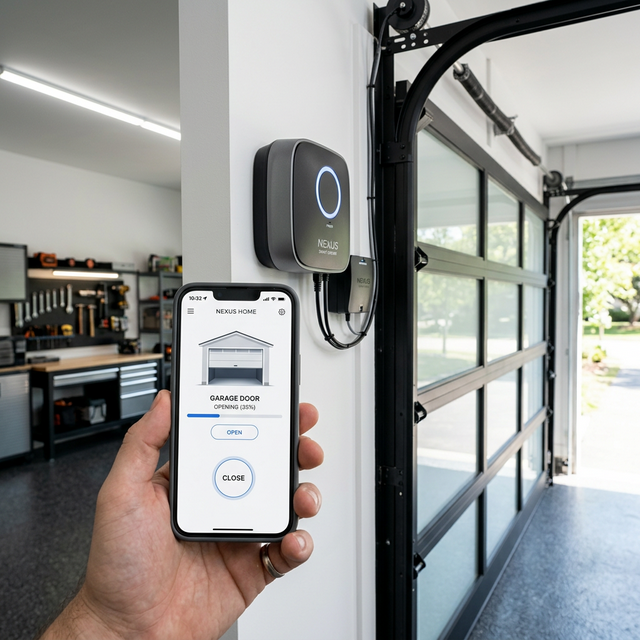
A garage door remote is one of the most convenient tools in any home, but when it suddenly stops responding, it can quickly become frustrating. Many homeowners search online for garage remote not working causes because the issue often happens without warning. In some cases, the fix is simple, while in others, the problem may require professional assistance. Understanding the most common remote control problems can help homeowners avoid delays, improve safety, and keep their garage door system operating correctly.
Modern garage door systems rely on wireless communication, batteries, sensors, and programming settings to function smoothly. When one component fails, the remote may stop opening or closing the door properly. Learning how to identify these issues early is crucial to save both time and money.
Dead or Weak Remote Batteries
One of the most overlooked yet common garage remote not working causes is a dead battery. Garage door remotes use small batteries that gradually lose power over time. Homeowners may notice that the remote only works intermittently or requires multiple button presses before the garage responds.
Proper battery troubleshooting should always be the first step when diagnosing remote issues. Replacing the battery is inexpensive and often solves the problem immediately. It is also important to install the correct battery model recommended by the manufacturer, since incompatible batteries can reduce performance or damage the remote.
Another sign of weak batteries is reduced operating range. If the remote only works when standing very close to the garage, the battery likely needs replacement. Regular battery checks can prevent unexpected failures, especially during bad weather or emergencies.
Signal Interference Problems
Wireless remotes depend on radio frequency signals to communicate with the garage door opener. Unfortunately, nearby electronics can interrupt this communication. Devices such as LED lights, routers, security systems, and even neighboring garage door openers may create interference.
These situations are why many technicians recommend following practical signal interference tips before assuming the remote itself is defective. Homeowners can start by unplugging nearby electronics temporarily to see whether the remote begins working normally again. In some homes, replacing older LED bulbs with garage-compatible models can dramatically improve remote reliability.
Metal structures, thick walls, and certain weather conditions may also weaken the signal. If the remote only functions from certain angles or distances, signal disruption is likely involved. Identifying the source of interference early can prevent unnecessary repairs.
Remote Needs Reprogramming
Sometimes the remote loses synchronization with the garage door opener. Power outages, electrical surges, or accidental resets can erase stored settings. In these cases, reprogramming remotes becomes necessary to restore communication between the opener and the remote control.
Most garage door opener brands include a “Learn” or “Program” button located on the motor unit. By following the manufacturer’s instructions, homeowners can often reconnect the remote within minutes. However, each system operates differently, so it is important to use the correct programming steps for the specific opener model.
If multiple remotes stop working at the same time, the issue may involve the opener’s memory settings rather than the remote itself. Professional technicians can quickly diagnose whether the opener requires reprogramming or replacement.
Damaged Remote Buttons
Over time, frequent use can wear down remote buttons. Dirt, moisture, and physical impact may damage the internal contacts inside the remote. When this happens, the button may feel loose, stuck, or completely unresponsive.
This issue is another common example of garage remote not working causes that homeowners often overlook. If only one button fails while the others continue working, physical damage inside the remote is likely responsible. Cleaning the remote carefully may help in minor cases, but severely damaged remotes typically require replacement.
Leaving remotes exposed to heat inside vehicles can also shorten their lifespan. High temperatures may weaken internal components and reduce battery efficiency. Storing the remote in a protected location helps maintain long-term reliability.
Misaligned or Blocked Safety Sensors
Garage door systems rely on safety sensors to prevent accidents. If these sensors become blocked or misaligned, the opener may ignore remote commands as a safety precaution. Homeowners often mistake this issue for a defective remote.
Checking the sensor lights near the bottom of the garage door tracks is an important part of battery troubleshooting and general garage diagnostics. If the lights are blinking or turned off, the sensors may need cleaning or adjustment. Dust, leaves, spider webs, or accidental bumps can easily affect sensor alignment.
Once the sensors are properly aligned, the garage door usually responds normally again. Keeping the sensor area clean is one of the easiest ways to prevent unnecessary service calls.
Worn-Out Garage Door Opener
In some situations, the remote is not the real problem. Older garage door openers eventually experience internal wear that affects their ability to receive signals. If wall controls work inconsistently alongside the remote, the opener itself may be failing.
Aging circuit boards, damaged antennas, and motor problems can all contribute to communication issues. Homeowners researching garage remote not working causes should consider the age of their garage door opener, especially if it is more than 10 to 15 years old.
Professional inspection is highly recommended when opener problems become frequent. Replacing an outdated opener may improve security, reduce noise, and increase overall system reliability.
Environmental and Weather-Related Issues
Extreme temperatures and severe weather can interfere with garage door remote performance. Cold weather may weaken batteries faster, while humidity can damage sensitive electronic components. Heavy storms can also affect electrical systems temporarily.
Applying effective signal interference tips becomes even more important during changing weather conditions. Homeowners should inspect their remotes regularly for moisture exposure or corrosion inside the battery compartment. Water damage is a leading cause of remote malfunction, especially in humid climates.
Garage door systems installed near coastal areas may experience faster corrosion due to salt exposure in the air. Preventive maintenance helps extend the lifespan of both remotes and openers.
Preventive Maintenance for Garage Door Remotes
Preventive care is one of the best ways to reduce future garage door remote problems. Small maintenance habits can significantly improve reliability and extend the lifespan of the entire system.
Homeowners should replace remote batteries annually, clean remotes regularly, and inspect opener antennas for visible damage. Following consistent battery troubleshooting practices helps avoid sudden failures that may leave homeowners locked out of their garage.
It is also smart to test remotes periodically from different distances to identify weak signals early. If the operating range suddenly decreases, the system may already be experiencing interference or battery problems.
Routine garage door maintenance should also include sensor alignment checks, opener inspections, and lubrication of moving components. Preventive service reduces the risk of larger mechanical failures over time.
Preserving the Integrity of your Garage in Florida
Garage door remotes may seem simple, but several hidden factors can affect their performance. From dead batteries and damaged buttons to interference and programming issues, understanding the most common garage remote not working causes is crucial for homeowners to respond quickly and effectively.
Using practical signal interference tips, performing regular battery troubleshooting